
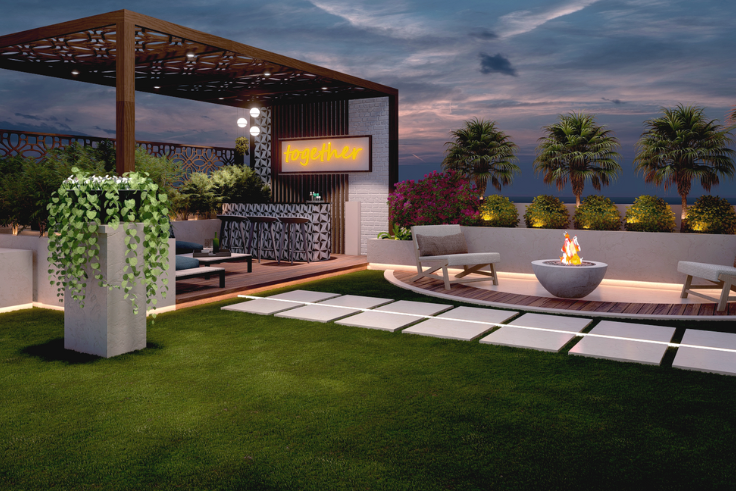
Moving into a new home is an exciting milestone, filled with possibilities for making the space truly your own. While the interior design often takes center stage, the exterior deserves just as much attention. Landscaping your new home is a crucial step in transforming your outdoor space into a lush, welcoming environment that complements the architecture and provides a personal sanctuary. With thoughtful planning and design, you can create a garden that not only enhances the aesthetic appeal of your property but also serves as a functional and sustainable outdoor living area.
The landscaping of your home is more than just an afterthought—it’s an extension of your living space and a key element in creating curb appeal. A well-designed landscape adds value to your property, improves the overall atmosphere, and provides a place for relaxation and recreation. Whether you’re an avid gardener or someone who prefers a low-maintenance approach, landscaping is essential in setting the tone for your home’s exterior.
Lush landscaping, in particular, brings a sense of vibrancy and life to your outdoor space. It involves creating a garden filled with diverse plant species, rich textures, and a variety of colors that change with the seasons. A lush garden is not only visually appealing but also beneficial for the environment, supporting local wildlife and improving air quality.
Before diving into plant selection and garden layouts, it’s important to assess your outdoor space. Take note of the existing conditions, such as the size and shape of your yard, the quality of the soil, and the amount of sunlight different areas receive. Understanding these factors will help you determine what types of plants will thrive and where to place key features like patios, pathways, and water elements.
Consider the natural topography of your land. If your property has slopes or uneven areas, you may need to incorporate retaining walls or terraces to create level planting areas. These features not only improve the usability of your space but also add structure and interest to the landscape.
With a clear understanding of your space, it’s time to develop a design that reflects your personal style and meets your needs. Start by envisioning how you want to use your outdoor area. Do you see yourself hosting garden parties, growing your own vegetables, or creating a quiet retreat for relaxation? Your lifestyle will guide the design process, helping you prioritize certain features and layout choices.
Incorporate a mix of hardscaping and softscaping elements to create a balanced and cohesive look. Hardscaping includes the non-living components of your garden, such as patios, decks, walkways, and fences. These features provide structure and define different areas within your landscape. Softscaping, on the other hand, involves the living elements—plants, trees, flowers, and grass—that bring color and life to your garden.
Plant selection is a critical aspect of lush landscaping. The plants you choose should not only be aesthetically pleasing but also suited to the local climate and soil conditions. Native plants are often a smart choice, as they are adapted to the environment and require less water and maintenance. Additionally, native species support local ecosystems, attracting birds, bees, and other wildlife to your garden.
Consider incorporating a variety of plant types to create a dynamic and layered landscape. Mix flowering perennials, ornamental grasses, and shrubs to add texture and color throughout the year. Trees can provide shade, privacy, and vertical interest, while ground cover plants help prevent soil erosion and reduce maintenance.
Sustainability is an important consideration in modern landscaping. Aim to create a garden that conserves resources and supports the local environment. This can be achieved through practices such as installing efficient irrigation systems, using organic mulch, and choosing drought-tolerant plants. Composting kitchen and garden waste is another way to enrich your soil naturally and reduce the need for chemical fertilizers.
Rainwater harvesting is another sustainable practice that can benefit your garden. By collecting and storing rainwater, you can reduce your reliance on municipal water sources and provide your plants with naturally soft water, free of the chemicals often found in tap water.
Once your design is complete and the plants are chosen, the final step is construction and planting. Depending on the complexity of your design, you may want to work with a professional landscaper to bring your vision to life. Professionals have the expertise to handle tasks such as grading, installing hardscaping, and setting up irrigation systems, ensuring that every aspect of your garden is built to last.
After planting, it’s important to establish a maintenance routine to keep your garden lush and healthy. Regular watering, pruning, and fertilizing will help your plants thrive, while seasonal clean-ups will keep your landscape looking its best throughout the year.
Landscaping your new home is an opportunity to create an outdoor space that reflects your personality and enhances your lifestyle. With careful planning and a commitment to sustainability, your new home’s landscape can become a vibrant, thriving oasis that you’ll cherish for years to come.