
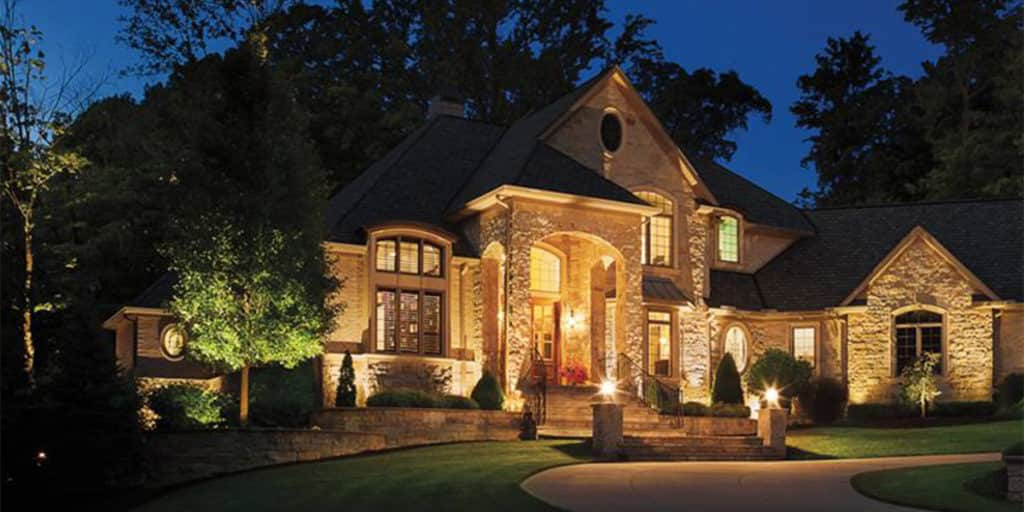
As commercial properties compete for attention day and night, outdoor lighting has moved from an afterthought to a core design element. Well-executed commercial lighting landscaping in Melbourne doesn’t just improve safety and visibility after dark — it extends the usability of outdoor spaces, reinforces brand identity, and adds a layer of sophistication that daylight alone can’t achieve. Here are the top trends shaping this space right now.
LED lighting continues to dominate commercial landscape design, and for good reason. Compared to traditional halogen or incandescent fixtures, LEDs use significantly less energy, last longer, and generate less heat — making them ideal for garden beds, pathways, and feature trees. For property managers focused on reducing operating costs, upgrading to LED landscape lighting is one of the most straightforward sustainability wins available.
Automation is transforming how commercial properties manage their outdoor lighting. Smart systems allow facility managers to control brightness, timing, and colour temperature remotely via app or centralised building management systems. Scheduling lights to adjust with sunset times, or dimming during off-peak hours, improves energy efficiency while ensuring the property always looks its best without manual intervention.
Rather than relying on a single row of path lights, modern commercial landscapes use layered lighting techniques — combining uplighting on feature trees, downlighting from structures, path-level lighting for safety, and accent lighting on architectural or planting features. This layered approach creates depth and visual interest, transforming flat, functional lighting into a genuine design statement after dark.
With sustainability increasingly front of mind, solar-powered landscape lighting is gaining traction across Melbourne’s commercial sector. Solar fixtures eliminate the need for extensive wiring, reduce electricity costs, and align with green building certifications many commercial tenants now expect. They’re particularly well suited to garden beds, boundary fencing, and pathway lighting where running mains power would be costly or disruptive.
There’s a growing shift away from stark, cool-white lighting toward warmer colour temperatures that create a more inviting atmosphere. Warmer tones (around 2700K–3000K) are particularly popular for hospitality venues, retail precincts, and corporate entrances, where the goal is to create a welcoming, premium feel rather than a purely functional, security-style glow.
Rather than lighting an entire property uniformly, designers are increasingly focused on highlighting specific features — a sculptural tree, a water feature, signage, or an architectural entrance. This selective approach draws the eye to a property’s best assets, creates visual hierarchy, and avoids the flat, overly bright look that can make commercial sites feel more like car parks than curated spaces.
Good lighting design balances aesthetics with practicality. Well-lit pathways, car parks, and entry points reduce trip hazards and improve perceived safety for staff and visitors working or arriving after dark. Motion-sensor lighting in less-trafficked areas adds an extra layer of security while conserving energy when spaces aren’t in use.
Fixture design itself is evolving, with more commercial projects specifying durable, weather-resistant, and recyclable materials suited to Melbourne’s variable climate. Corrosion-resistant fittings and UV-stable components ensure lighting systems maintain their appearance and performance over years of exposure to sun, rain, and temperature fluctuations.
Beyond aesthetics, thoughtful lighting landscaping extends the hours a property can be enjoyed, supports safety compliance, and reinforces brand image around the clock — not just during business hours. For retail and hospitality venues in particular, evening lighting can directly influence foot traffic and customer perception.
Commercial lighting landscaping in Melbourne has evolved into a sophisticated blend of technology, sustainability, and design. From smart controls and solar power to layered, feature-focused lighting design, these trends reflect a broader shift toward outdoor spaces that perform beautifully day and night. For property owners looking to elevate their commercial landscape, partnering with an experienced lighting and landscaping team ensures these trends are implemented safely, efficiently, and in a way that truly enhances the property.
Experienced concrete slab contractor in Melbourne delivering strong, durable, and precisely finished concrete slabs for residential, commercial, and industrial construction projects reliably.